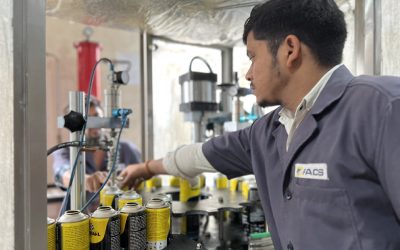


Revolutionising Progress: A Deep Dive into Indian Industrial Manufacturing
In recent years, the Indian industrial manufacturing sector has witnessed a transformative evolution, positioning itself as a key player in the global landscape. This seismic shift is not only contributing to India’s economic growth but is also indicative of the nation’s prowess in innovation, sustainability, and technological advancement. Let’s delve into the trends shaping its future:
Diverse Sectors Driving Growth:
Indian industrial manufacturing spans a multitude of sectors, including automotive, pharmaceuticals, textiles, chemicals, and machinery. This diversity not only showcases the country’s capability to meet domestic demands but also positions India as a reliable global supplier, catering to diverse markets worldwide.
Technological Advancements and Industry 4.0:
Embracing the era of Industry 4.0, Indian manufacturers are integrating cutting-edge technologies such as artificial intelligence, the Internet of Things (IoT), robotics, and data analytics into their operations. This digital transformation not only enhances efficiency but also paves the way for smart, connected, and data-driven manufacturing processes.
Sustainable Practices and Green Manufacturing:
In response to global environmental concerns, the Indian industrial manufacturing sector is increasingly adopting sustainable and eco-friendly practices. From energy-efficient production methods to waste reduction initiatives, manufacturers are aligning their operations with green manufacturing principles, contributing to a more sustainable future.
Government Initiatives and Policy Reforms:
The Indian government has played a pivotal role in fostering a conducive environment for industrial manufacturing growth. Initiatives such as “Make in India,” “Goods and Services Tax (GST),” and various sector-specific policies have incentivized investments, promoted ease of doing business, and facilitated the expansion of manufacturing capabilities.
Global Competitiveness and Export Dynamics:
Indian industrial manufacturing is not just meeting domestic demands but is also emerging as a formidable player in the global market. Foreign Direct Investment (FDI) in the sector reached $17.51 billion in the financial year 2020-21 alone. This showcases the heightened global investor confidence. Indian manufacturers are focused on quality, cost-effectiveness, and timely delivery, gaining a competitive edge, leading to increased exports and global collaborations.
Skill Development and Workforce Dynamics:
A skilled and adaptable workforce is the backbone of any thriving manufacturing sector. India has been investing in skill development initiatives to ensure that its workforce is equipped with the necessary technical expertise and soft skills required for the evolving demands of industrial manufacturing.
Conclusion:
The Indian industrial manufacturing sector is navigating a trajectory of growth, innovation, and global prominence. As it continues to embrace technological advancements, sustainable practices, and government support, the future looks promising. With a diverse range of sectors contributing to its success, Indian industrial manufacturing is poised to redefine standards and make a lasting impact on the world stage.
Related posts